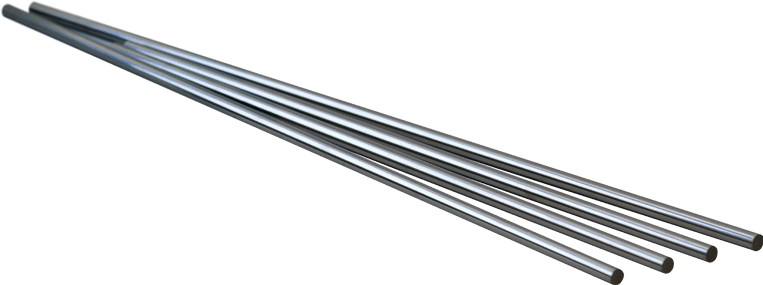
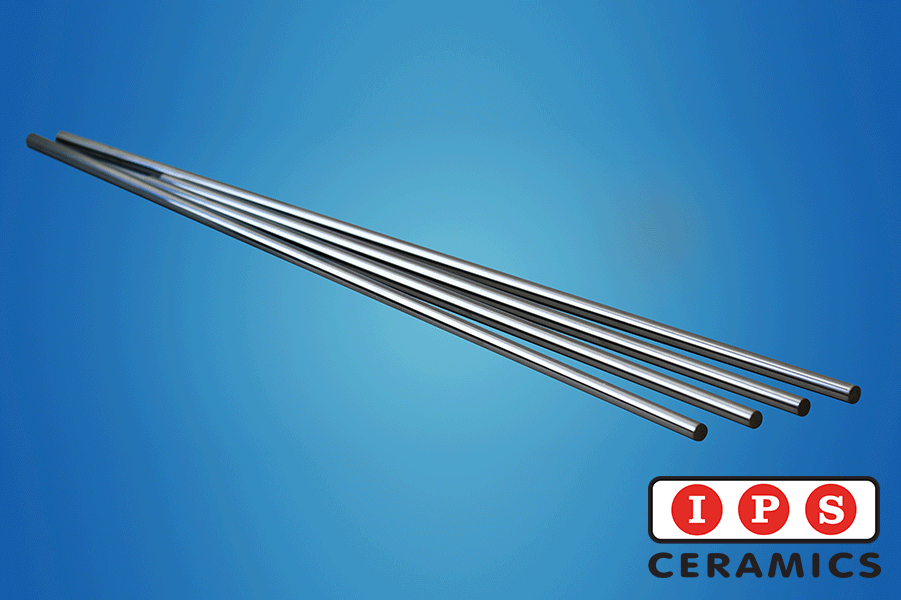
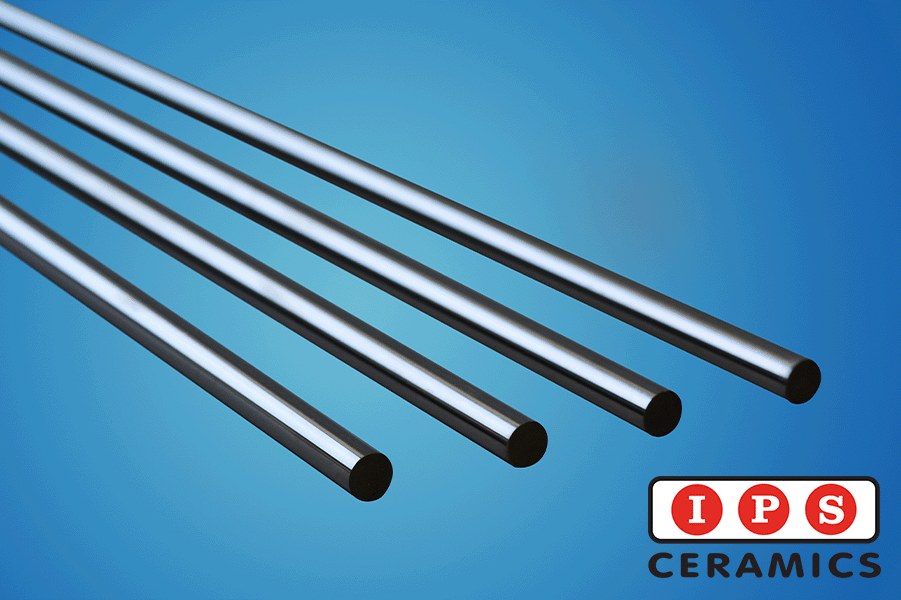
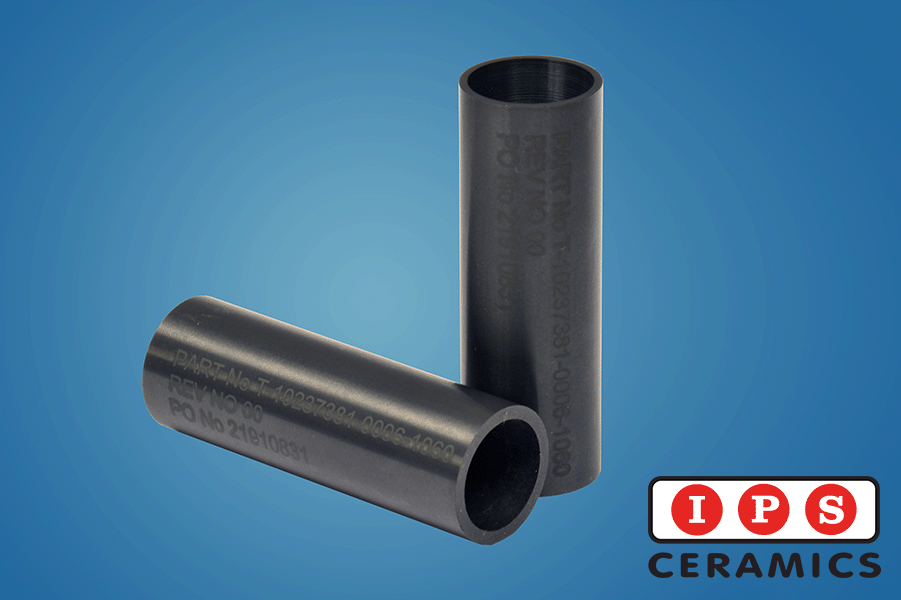
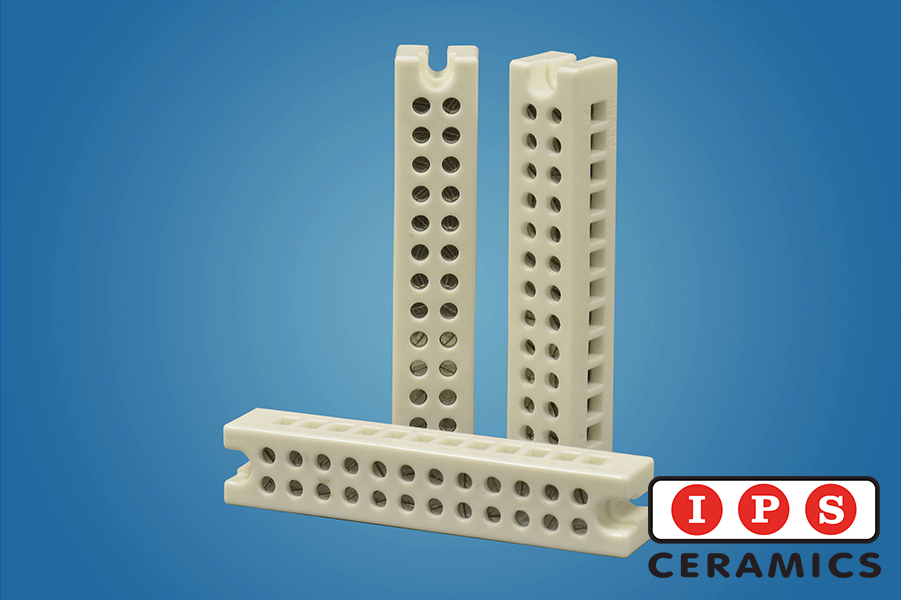
Tungsten Carbide is a metal/ceramic hybrid, combining the properties of metals and ceramics into a material suitable for the toughest applications.
Tungsten carbide is a chemical compound made by reacting tungsten metal with carbon. Pure tungsten metal has excellent corrosion resistance but is soft enough to be cut with a hacksaw. By introducing carbon, you greatly increase the hardness until it’s almost as hard as a diamond.
In practice, most tungsten carbide products are made by taking ultra-fine grains of pure tungsten carbide and cementing them together with a small amount of a second metal – generally cobalt. The result is ‘cemented’ tungsten carbide, a powerhouse material with extreme hardness, immense strength, and excellent corrosion resistance.
All figures are typical figures determined using laboratory test pieces and might not always be an accurate representation of production item.