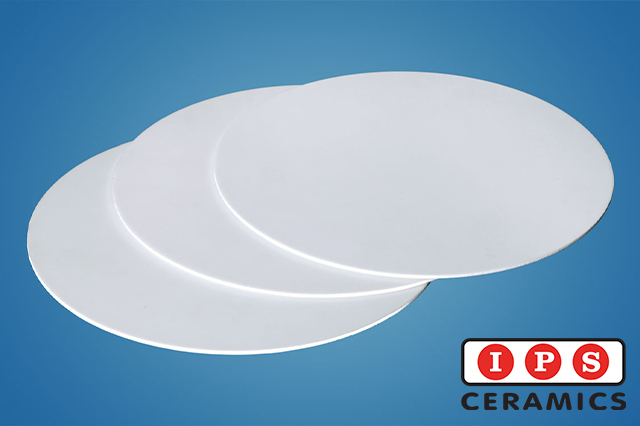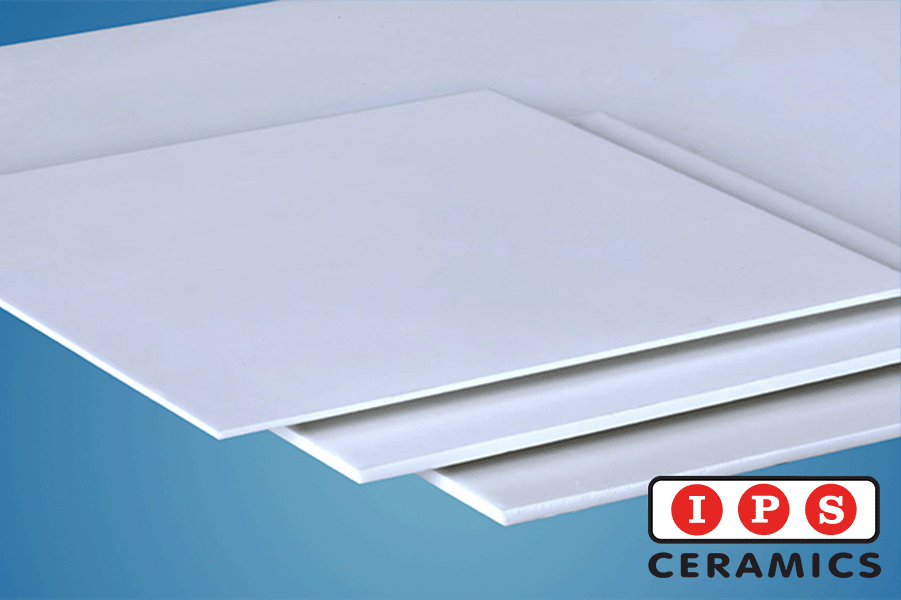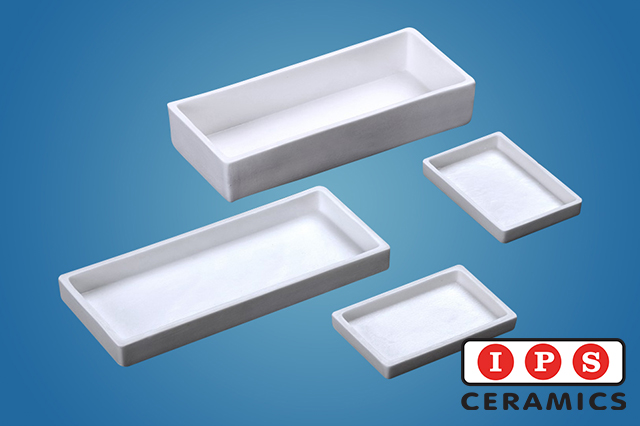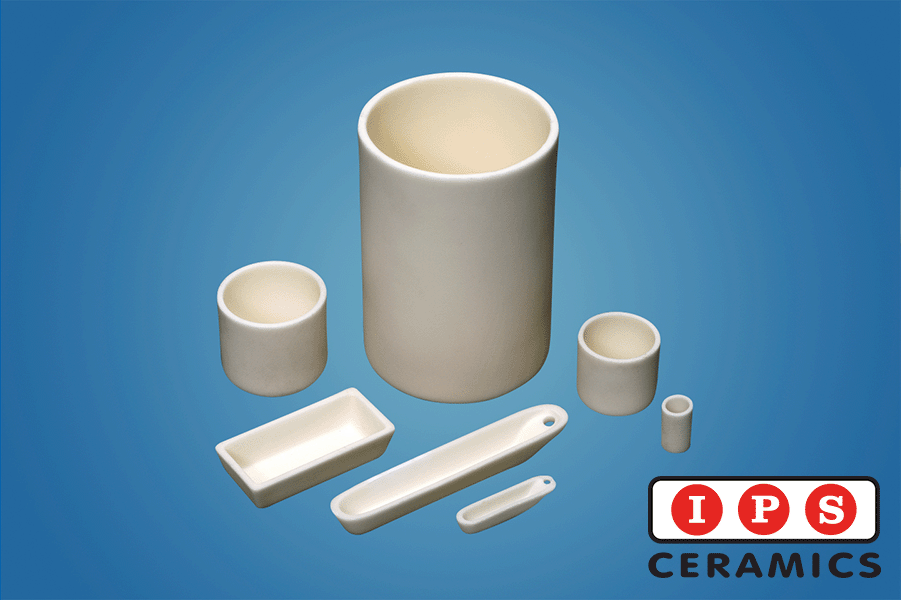
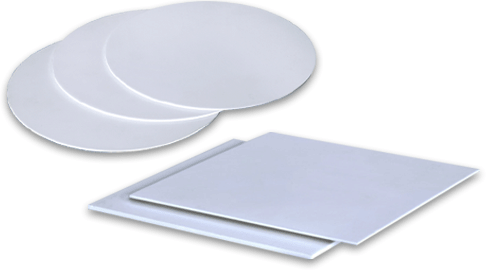
Alumina Discs, Tiles and Plates
Thin, strong and durable tiles typically used as substrates or to provide support to products during heat treatment.
- Can be used to product thin and small products which retain high levels of strength and durability.
- Non-reactive and resistant to heat.
General Overview
Alumina discs, plates and tiles are used to support products during heat treatment processes.
Due to Alumina’s unique combination of properties, Alumina discs, plates and tiles can be made incredibly thin and small without compromising on strength or durability. This makes them particularly useful as heat sinks and substrates within the tech industry.
Due to Alumina’s non-reactive nature, researchers, universities and laboratories often use Alumina Discs, Plates and Tiles to hold materials which they are reacting together.
For more applications and to discuss how Alumina Discs, Plates and Tiles can help your processes, please feel free to contact us.
Technical Information
| General Information | ||
| Type | 95% Alumina | 99% Alumina |
| Max Usage Temp. | 1450 °C / 2650 °F | 1600 °C / 2900 °F |
| Bulk Density | 3.7 g/cm³ | 3.8 g/cm³ |
| Open Porosity | <0.5% | <0.25% |
| Modulus of Rupture @ Room Temp. | 250 MPa | 300 MPa |
| Modulus of Elasticity | 350 GPa | 400 GPa |
| Thermal Conductivity | 25 W/mK | 30 W/mK |
| Thermal Expansion at 20 – 1000 °C | 8 x10⁻⁶/K | 8 x10⁻⁶/K |
| KIC Fracture Toughness | 2.5 MPam | 3.0 MPam |
| Volume Resistance | <1014Ωcm | <1014Ωcm |
| Dielectric Constant | 9 | 10 |
| Dielectric Strength | 20 kV/mm | 30 kV/mm |
| Typical Chemical Analysis | ||
| Al₂O₃ | 95% | 99% |
| CaO | 1.8% | 0.2% |
| SiO₂ | 2.5% | 0.3% |
| MgO | 0.5% | 0.2% |
Photo Gallery